Flower Doodle Redwork: A Business Merch Review
As an embroidery designer who specializes in commercial branding and small business merchandise, I approach every new machine embroidery design with a critical eye. When evaluating the Flower Doodle Redwork Embroidery Design for potential use in branded assets, my primary focus is not just on aesthetic appeal, but on production viability and brand alignment. This review examines how this specific outline style performs when translated from a digital file to physical products like uniforms, patches, and retail goods.
First Impressions: Professional Yet Approachable Branding
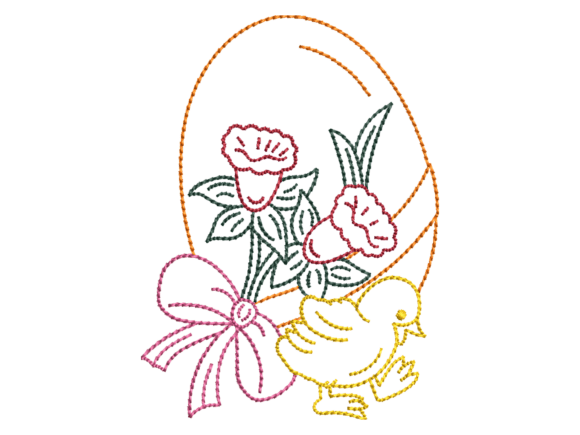
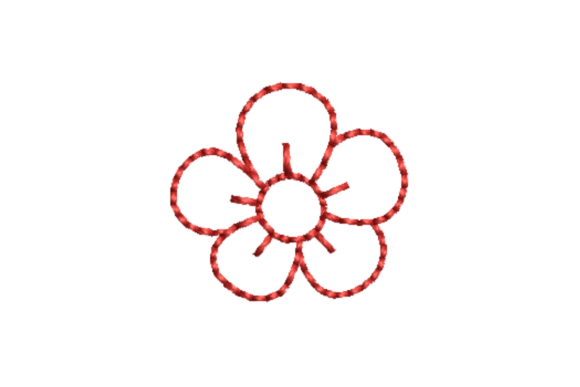
Upon opening the embroidery file, the immediate impression of the Flower Doodle Redwork Embroidery Design is one of clean minimalism. In the context of brand identity, this is a significant advantage. The "redwork" style, characterized by single-color outline stitching, inherently communicates a sense of artisanal quality and vintage charm without appearing dated. For small businesses such as florists, bakeries, or handmade skincare brands, this visual language bridges the gap between professional consistency and the warmth of a handmade product.
Unlike complex, multi-colored fills that can sometimes look cluttered or overly corporate, this design feels intentional and curated. It suggests a business that values simplicity and attention to detail. However, because it relies entirely on line work, the digitizing must be flawless. There is no fill stitch to hide registration errors or poor pathing. As a reviewer, I appreciate that this design forces a focus on precision, making it an excellent candidate for businesses wanting to project an image of refined craftsmanship rather than mass production.
Commercial Applications: From Aprons to Retail Packaging
The versatility of the Flower Doodle Redwork Embroidery Design makes it a strong contender for various small business merch applications. Its lightweight nature allows it to be used on garments where heavy designs would cause puckering or discomfort.
- Staff Uniforms and Aprons: For cafes and boutiques, apron embroidery needs to withstand industrial laundering while maintaining a neat appearance. This redwork style sits flat against the fabric, reducing snagging risks compared to raised satin stitches. It serves as a subtle chest logo or pocket accent that identifies staff without overpowering the uniform's color scheme.
- Tote Bags and Shoppers: A tote bag design requires durability. Because this flower doodle uses outline stitching, it penetrates canvas and cotton fabrics effectively without creating a stiff, bulletproof patch of thread. This ensures the bag remains functional and foldable, which is crucial for customer retention and reuse.
- Custom Patches: Creating an embroidered patch using this design allows for high-contrast branding. The simplicity of the lines translates exceptionally well to merrowed edges. These patches can be applied to caps, jackets, or even sold as standalone merchandise, adding a revenue stream for creative studios.
- Product Labeling: For Etsy sellers and crafters, using this design as a permanent label on linens or apparel adds perceived value. It acts as a signature, reinforcing the commercial embroidery quality directly on the finished product.
Production Constraints: Where Caution is Required
While the Flower Doodle Redwork Embroidery Design is versatile, it is not immune to production limitations. As a professional, I must highlight areas where business owners should exercise caution to avoid wasted materials and time.
Fabric Texture and Stability
Outline designs are unforgiving on textured surfaces. If you are planning cap embroidery on a structured front panel or working with heavy denim, the single running stitches may get lost in the weave or appear jagged. Always verify that the stitch density and underlay are appropriate for your specific substrate. On loose-weave fabrics like linen, a heavier weight thread or a double-run stitch might be necessary to maintain visual continuity.
Sizing and Detail Loss
Redwork loses integrity when scaled down too aggressively. Before committing to tiny collar tags or sleeve cuffs, test the minimum viable size. Intricate petal details in the flower doodle may merge if the design is reduced below its optimal threshold. Unlike fill designs that can compress, outline designs require physical space for the needle to travel between points. Check your hoop size capabilities and ensure the design maintains legibility at your intended dimensions.
Thread Color Contrast
The term "redwork" is historical; you are not limited to red thread. However, contrast is king. A light grey outline on a white shirt will vanish in photographs and from a distance. For custom apparel, ensure your thread colors provide sufficient contrast against the garment base. Dark threads on dark fabrics generally fail unless a metallic or high-sheen thread is used to catch the light.
Impact on Brand Value and Customer Trust
In the competitive landscape of handmade and local business, presentation dictates price point. Utilizing a clean, well-digitized asset like the Flower Doodle Redwork Embroidery Design signals professionalism. Customers associate crisp, consistent stitching with high-quality goods. Conversely, messy outlines or poor tension suggest amateurism.
This design supports a cohesive visual strategy. Because it is minimal, it pairs easily with typography. You can combine this floral element with your business name in a complementary font to create a complete lockup. This consistency across design assets—from social media avatars to physical packaging—builds recognition. When a customer sees that same flower doodle on your Instagram, your market stall banner, and your shopping bag, it reinforces trust and validates their purchase decision.
Designer’s Checklist: Pre-Production Best Practices
Before running a full production batch for your business, follow this technical protocol to ensure the Flower Doodle Redwork Embroidery Design meets commercial standards:
- Verify Licensing: Confirm the digital embroidery file includes commercial usage rights. Never assume personal purchase equals business permission.
- Create a Printable Mockup: Use software to overlay the design on photos of your actual merchandise. Share this printable mockup with clients or stakeholders for approval before stitching.
- Test in Monochrome: Print the design pattern in black and white. If the flower reads clearly without color differentiation, the structure is sound.
- Stabilizer Selection: Match your stabilizer to the fabric weight. Outline designs often require less stabilizer than fills, but tear-away residues can distort fine lines. Consider wash-away toppings for textured fabrics to keep stitches on top.
- Wash Testing: Embroider a sample and wash it three times. Redwork can sometimes pull or pucker after laundering if the tension was too tight during digitizing. Verify the fabric texture remains smooth.
- Check File Specifications: Since specific stitch counts and formats vary, always inspect the file metadata. Ensure compatibility with your machine and that the design fits within your production hoops without excessive re-hooping.
The Flower Doodle Redwork Embroidery Design offers a sophisticated, low-impact solution for businesses seeking to elevate their merchandise. By respecting its technical requirements and leveraging its minimalist aesthetic, small business owners can create branded items that feel both premium and authentically handmade. Always prioritize testing and material compatibility to ensure your final embroidered products reflect the quality your customers expect.