Minimal Shell Embroidery: A Business Design Review
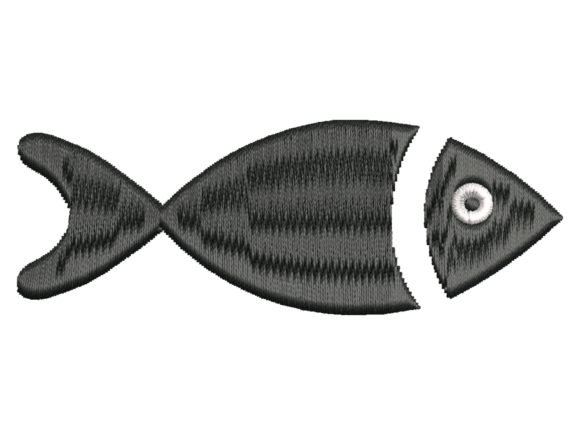
As a professional embroidery designer, I evaluate every machine embroidery design through the lens of production efficiency and brand viability. When reviewing Minimal Shell Embroidery for commercial application, my focus shifts from pure aesthetics to functional performance on merchandise. This digital asset presents a unique opportunity for small business owners, but it requires strategic implementation to ensure the finished product meets professional standards. While categorized under Fish, this shell motif transcends marine themes to offer versatile branding potential for coastal businesses, sustainable brands, and artisanal shops.
Visual Personality and Brand Alignment
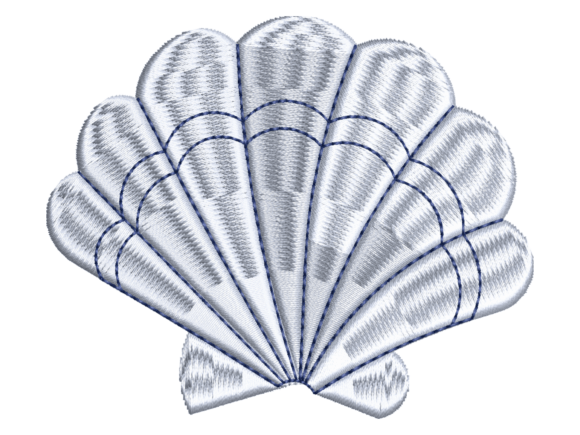
The first impression of Minimal Shell Embroidery is one of refined simplicity. In the world of brand identity, minimalism often translates to premium quality and modern sophistication. Unlike complex, high-density illustrations that can look cluttered on fabric, this design likely utilizes clean lines and open spacing. For a boutique, bakery, or florist, this visual restraint communicates elegance without overwhelming the customer. It feels handmade yet polished, striking the difficult balance between rustic charm and professional consistency.
For businesses in the seafood, pet, or eco-friendly sectors, this design serves as an immediate visual cue. However, its true value lies in its adaptability. A creative studio could use this shell as a metaphor for hidden value or organic growth, while a café might use it to signal fresh, natural ingredients. The minimalist approach ensures the embroidery file remains legible even when scaled down, which is critical for maintaining recognition across various touchpoints.
Commercial Applications for Small Business Merch
When integrating Minimal Shell Embroidery into small business merch, versatility is key. Based on the design’s title and nature, here is how I would deploy this asset across different product categories:
- Embroidered Patch: This is the strongest use case. The minimal lines allow for crisp merrowed edges and clear definition at smaller sizes. Patches can be applied to denim jackets, backpacks, or sold as standalone collectibles.
- Apron Embroidery: For bistros and florists, placing this design on the chest or pocket of an apron adds a subtle branded touch that doesn't interfere with staff movement or comfort.
- Tote Bag Design: Canvas totes are staples for markets and retail. A centered, minimal shell creates a high-perceived-value item that customers actually want to reuse, extending brand visibility.
- Cap Embroidery: Structured caps require designs that aren't too dense. This motif should sit well on the front panel without causing puckering, provided the digitizing accounts for the curve.
- Custom Apparel: As a sleeve detail or nape-of-neck logo on staff polos, it offers branding that feels like part of the uniform rather than a sticker slapped on top.
Production Considerations and Technical Constraints
While Minimal Shell Embroidery is aesthetically pleasing, technical execution determines commercial success. As a designer, I must highlight where caution is necessary during commercial embroidery production.
Fabric Texture and Stabilizer Selection
Minimalist designs expose every stitch. On textured fabrics like linen or heavy canvas, fine details can get lost. You must match your stabilizer to the fabric weight to prevent shifting. If the shell features delicate interior lines, a tear-away stabilizer alone may not suffice; consider a cut-away for knits or a water-soluble topping for high-pile fabrics to keep the stitches sitting on top of the texture.
Stitch Density and Washability
Check the stitch density before running bulk production. Minimalist does not always mean low density; sometimes designers compensate for simplicity with heavier satin stitches. If the design is too dense for lightweight apparel, it will cause puckering and discomfort. Conversely, if it is too sparse, it may unravel after frequent washing. Always verify that the thread colors chosen provide sufficient contrast against the garment color, especially for dark uniforms where light thread is essential for visibility.
Sizing and Hoop Compatibility
Before purchasing, confirm the available sizes within the ZIP or RAR download. Not all hoops accommodate every dimension. If you plan to use this for cap embroidery, ensure the file includes a version specifically digitized for curved surfaces or sized appropriately for cap frames. Resizing a minimalist design by more than 10-15% can distort stitch angles and ruin the clean aesthetic.
Impact on Customer Trust and Product Value
In the handmade and small business sector, presentation equals perceived value. Using a professionally reviewed digital embroidery file like Minimal Shell Embroidery signals to customers that you care about details. Sloppy, dense, or poorly placed embroidery suggests mass production or amateurism. A clean, well-executed shell motif enhances the unboxing experience and justifies higher price points for handmade product lines.
Furthermore, consistent use of this design asset across packaging, tags, and apparel builds visual memory. Customers begin to associate that specific shell shape with your business's quality promise. This recognition is vital for Etsy sellers and market vendors competing in crowded spaces. The design becomes a seal of authenticity, distinguishing your goods from generic alternatives.
Designer Notes: Pre-Production Checklist
To ensure Minimal Shell Embroidery performs as expected in a real-world business scenario, follow this professional workflow before committing to a full run:
- Verify File Contents: Since this is a digital product delivered in ZIP or RAR format with no physical shipment, immediately check that the file formats match your machine's requirements upon instant download.
- Test in Black and White: Run a sample using black thread on white fabric (or vice versa). This removes color bias and reveals the true structure, spacing, and registration of the design.
- Create a Printable Mockup: Before stitching on expensive inventory, place the design digitally on a printable mockup to visualize scale and placement relative to seams, pockets, and zippers.
- Assess Small Patch Viability: If intending to make patches, test the smallest available size. Ensure outlines merge cleanly and text (if any) remains legible. If it fails at small scale, reserve it for larger garments only.
- Review Licensing: Confirm commercial licensing terms included in the product description. Ensure you have the right to sell finished items featuring this design, especially for high-volume custom apparel orders.
- Compare Beside Other Assets: Place this shell design next to your existing logos and icons. Ensure the line weight and style are cohesive. Visual consistency across all design assets strengthens overall brand professionalism.
Minimal Shell Embroidery offers significant potential for businesses seeking a blend of organic warmth and modern clarity. By respecting technical constraints and testing thoroughly, small business owners can transform this digital file into a powerful tool for brand building and merchandise sales. Remember, because this is a digital product with no returns or refunds, due diligence in the testing phase is your best insurance policy for commercial success.