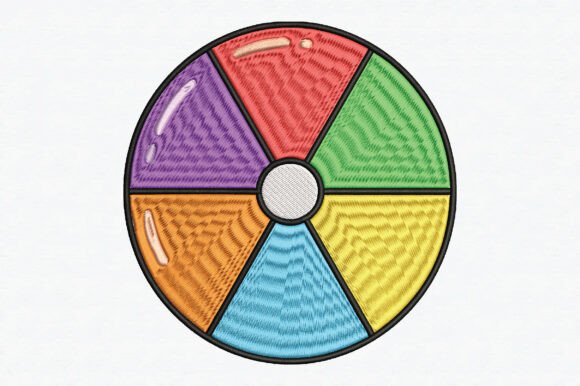
Wheel Divided Embroidery Design: A Maker's Review
As an embroidery designer preparing for a busy weekend craft fair, my selection process is rigorous. I do not just look for pretty digital files; I look for craft fair product potential. When evaluating the Wheel Divided Embroidery Design, my immediate focus is on its commercial viability and visual impact in a crowded marketplace. This machine embroidery design features a bright segmented circle with playful multicolor sections, positioning it as a versatile asset for makers targeting families, teachers, and gift shoppers.
First Impressions: Bold Color and Playful Geometry
My first impression of the Wheel Divided Embroidery Design is that it reads as modern, cheerful, and distinctly high-energy. Unlike intricate floral patterns or minimalist line art, this design relies on color blocking and geometric precision to catch the eye from a distance. In a booth setting, where customers scan tables quickly, bold graphics often outperform subtle details. The segmented nature of the wheel suggests movement and fun, making it feel less like traditional heirloom embroidery and more like contemporary commercial embroidery.
While categorized under Toys, the aesthetic transcends age groups. It feels premium enough for boutique items but playful enough for children’s goods. For an Etsy seller or boutique maker, this balance is crucial. It avoids looking cheap or cartoonish while maintaining the whimsy necessary for the category. The multicolor sections provide natural opportunities to showcase thread quality and color harmony, which are key indicators of handmade product value.
Top Performing Products for Market Sales
Not every embroidery file works on every substrate. Based on the geometry and color saturation of the Wheel Divided Embroidery Design, I have identified specific products where this design will likely generate the highest return on investment at a market stall.
- Tote Bag Design: Canvas totes are craft fair staples. The circular shape of this design centers beautifully on a tote, acting as a focal point without overwhelming the bag's utility. The bright segments contrast well against natural cotton canvas, making it an instant bestseller candidate.
- Apron Embroidery: For kitchen or workshop aprons, the wheel can be placed on the chest pocket area or centered on the bib. Its playful tone makes it perfect for baking classes, art teachers, or creative professionals who want functional gear with personality.
- Tea Towel Embroidery: Kitchen linens sell consistently. Because the design is geometric, it pairs well with gingham or striped towel bases. The wheel acts as a modern medallion, elevating a basic towel into a giftable item.
- Embroidered Patch: Given the defined circular border, this design is an excellent candidate for patch production. Patches are low-cost, high-margin add-ons at craft fairs. The distinct segments allow for clean merrowed edges or satin stitch borders.
- Fabric Pouches and Zipper Bags: Small zippered pouches for pencils, cosmetics, or travel are impulse buys. The Wheel Divided Embroidery Design scales down effectively for these small shop product applications, provided the stitch count supports the reduction.
Production Practicality and Batch Efficiency
For a creative entrepreneur, time is money. A design might be beautiful, but if it takes three hours to stitch and requires constant supervision, it is not viable for batch production. The Wheel Divided Embroidery Design appears optimized for efficiency due to its color-block structure.
Segmented designs typically utilize fill stitches rather than dense satin stitches for large areas. This usually results in faster run times and less fabric distortion compared to complex, dense motifs. For digital sellers offering finished goods, this means higher throughput. Furthermore, the repetitive nature of the wheel segments allows for predictable thread changes. If you are running multiple hoops simultaneously, you can batch the color changes efficiently, reducing machine downtime.
Photographically, this design is a dream for online listings. High-contrast geometric shapes photograph clearly even in mobile thumbnails. When creating a printable mockup or listing photo, the wheel’s symmetry ensures the product looks professional and intentional, unlike organic designs that can sometimes appear lopsided in digital previews.
Critical Use Notes and Technical Considerations
Despite its versatility, the Wheel Divided Embroidery Design requires careful technical execution to maintain that premium handmade look. As a reviewer, I must highlight potential pitfalls before you load this digital embroidery file into your machine.
Fabric Texture and Stabilization
The success of any geometric design hinges on registration. If your segments do not meet perfectly, the wheel will look broken. On textured fabrics like terry cloth tea towels or waffle weave, you must use adequate stabilizer. I recommend a medium-weight cutaway for stretchy items and a tear-away topped with water-soluble stabilizer for towels to prevent the texture from poking through the fill stitches. Always test on scrap fabric first to ensure the stitch density adequately covers the base material without causing puckering.
Sizing and Detail Clarity
Check the minimum size recommendations in your file documentation. While the wheel shape is simple, the junction points between segments can become muddy if resized too small. If you plan to use this as a cap design, verify that the curvature of the cap frame will not distort the circle into an oval. Caps require specialized hooping and often a specific cap version of the design to account for the curved surface.
Thread Contrast and Color Planning
The description mentions "playful multicolor sections." Do not rely solely on the digitizer's original palette. As a maker, you should adapt thread colors to match current trends or your specific brand aesthetic. However, ensure sufficient contrast between adjacent segments. Low-contrast colors can make the wheel look flat and undefined from a distance. Test your colorway on a fabric texture similar to your final product to confirm visibility.
Enhancing Booth Display and Buyer Engagement
Visual merchandising is as important as the stitching itself. The Wheel Divided Embroidery Design contributes significantly to booth cohesion. Because it is graphic and colorful, it serves as an excellent anchor piece for a display table.
I recommend grouping products featuring this design together to create a color story. Place a tote bag, a matching pouch, and a tea towel in proximity. This cross-merchandising encourages customers to buy sets rather than single items. The recognizable motif builds brand consistency; when customers see the wheel, they associate it with your specific style of joyful, quality craftsmanship.
For design assets marketing, use close-up shots of the stitching to demonstrate quality. Customers at craft fairs touch everything. Ensure the back of your embroidery is as neat as the front, especially on unlined totes and towels. A messy bobbin side devalues the finished product instantly. Using a lightweight fusible backing or lining can hide jump stitches and give the item a polished, retail-ready feel.
Final Designer Recommendations
Before listing this as a craft fair product, complete your due diligence. Confirm the hoop size requirements match your equipment capabilities. Review the commercial licensing terms included with the file to ensure you are legally cleared to sell physical items embroidered with this design. Never assume a license includes unlimited sales or digital redistribution.
Create at least one real-world sample before committing to a full production run. Photograph this sample in natural light to use for your Etsy listings and social media teasers. Compare the design against various fabric colors to determine which combinations pop most effectively. Finally, inspect the stitch-out for any unnecessary jumps or trims that could be optimized in your machine software.
The Wheel Divided Embroidery Design offers a compelling mix of visual appeal and production practicality. It bridges the gap between toy-category fun and boutique-quality aesthetics, making it a strong contender for makers looking to refresh their inventory. By respecting the technical requirements and leveraging its bold geometry in your product lineup, this design has the potential to become a signature element of your handmade business. Whether you are stitching for a weekend market or fulfilling custom orders, this wheel provides a reliable foundation for colorful, profitable embroidery.