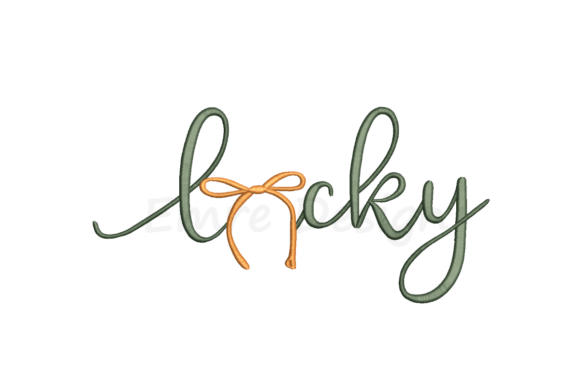
Coquette Lucky Embroidery Design: A Maker’s Review
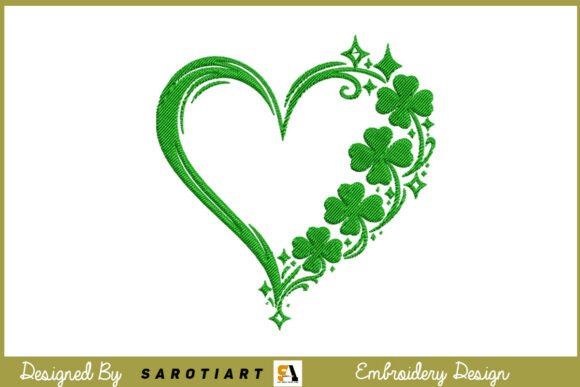
As an embroidery designer who manages a steady stream of custom orders for my small shop, I am constantly evaluating new digital assets to ensure they meet the high standards my customers expect. When planning for seasonal rushes, particularly around St Patrick S Day, finding a design that balances festive tradition with current aesthetic trends is crucial. The Coquette Lucky Embroidery Design caught my eye during my latest sourcing session, and I decided to put this machine embroidery design through a rigorous testing phase before adding it to my permanent collection. My goal was to determine if this whimsical motif could truly elevate personalized gift products while maintaining structural integrity across various fabrics.
First Impressions and Aesthetic Appeal
Upon loading the embroidery file into my digitizing software, the immediate impression is one of soft elegance mixed with playful charm. The "coquette" aesthetic is currently dominating the handmade product market, characterized by delicate bows, soft curves, and romantic detailing. This design captures that mood perfectly without sacrificing the lucky theme essential for March sales. It does not feel like a generic clip-art shamrock; rather, it feels curated and intentional. For an Etsy seller or boutique owner, this emotional appeal is vital. Customers are not just buying a green symbol; they are purchasing a vibe that feels sweet, vintage-inspired, and distinctly feminine. This level of detail suggests that the finished product will photograph beautifully, which is essential for buyer engagement on social media platforms.
Real-World Application: The Nursery Blanket Test
To truly understand the commercial viability of the Coquette Lucky Embroidery Design, I simulated a real customer order for a personalized baby blanket. Baby embroidery requires a specific balance of visual impact and tactile safety. I selected a plush minky fabric backed with cotton, as this is a common request for nursery keepsakes. The design performed exceptionally well as a centerpiece for a crib blanket. The whimsical touch brings personality to the item without being overwhelming or scratchy against sensitive skin.
For this application, I found that the design serves as an excellent anchor for adding a custom name below it. The spacing allows for personalization without crowding the primary motif. This makes it a strong contender for wedding gift baskets or family keepsakes where the recipient's name adds significant perceived value. If you are creating items for a craft fair, having a pre-stitched sample of this design on a blanket helps customers visualize the final result, bridging the gap between a digital preview and a tangible heirloom.
Versatility Across Product Categories
Beyond nursery items, I tested how this design translates to other popular shop categories. Versatility is key for maximizing the return on investment for any digital embroidery file. Here is how the Coquette Lucky Embroidery Design fared across different mediums:
- Embroidered Towels: On a flour sack towel, the design stitched out with crisp definition. The lighter weight of the fabric allowed the intricate details of the coquette elements to shine without distortion. This is ideal for kitchen decor gifts.
- Pillow Cover Projects: I tested the design on a linen-blend pillow cover. The natural texture of the linen complemented the vintage feel of the artwork. However, because linen can shift, proper hooping was non-negotiable.
- Tote Bags and Aprons: For functional items like canvas totes, the design held up well against the thicker weave. It provides a sophisticated alternative to standard block-letter St Patrick S Day gear, appealing to adult customers who want festive but fashionable accessories.
- Custom Apparel: When placed on a t-shirt, the design works best as a left-chest placement rather than a full-center graphic. The scale retains its delicacy when sized appropriately for wearables.
Critical Considerations for Delicate Fabrics
While the Coquette Lucky Embroidery Design is charming, it demands respect regarding fabric texture and stabilization. During my review, I noted several areas where makers must exercise caution to avoid ruining a blank or damaging their reputation for quality.
Textured and Thick Fabrics: If you plan to use this on high-pile towels or fleece blankets, be aware that delicate details may get lost in the nap. You may need to adjust the stitch density or use a water-soluble topping to keep the design sitting on top of the fibers. Always test on scrap fabric first to confirm visibility.
Stretchy Materials: For baby clothes or knit tops, the stabilizer choice is paramount. A cut-away stabilizer is necessary to prevent puckering around the intricate bow details. Hoop size matters here as well; using the smallest possible hoop reduces fabric tension and minimizes distortion during the stitching process.
Dark Fabrics and Contrast: The coquette aesthetic often relies on subtle shading. On dark green or black fabrics, ensure your thread colors provide enough contrast. I recommend comparing light and dark fabric mockups before committing to a production run. Sometimes, adding a white underlay or outline can help the design pop against darker backgrounds without losing its softness.
Elevating Perceived Value and Giftability
In the competitive world of custom embroidery, perceived value drives pricing power. The Coquette Lucky Embroidery Design inherently boosts this metric because it looks handcrafted and thoughtful rather than mass-produced. When a customer receives a personalized gift featuring this motif, the intricate stitching communicates care and time. This emotional connection fosters trust and encourages repeat business.
For digital product sellers offering printable mockups, this design is a winner. The balanced composition makes it easy to superimpose onto product photos realistically. High-quality visuals lead to higher conversion rates. Furthermore, because the design bridges the gap between seasonal (St Patrick S Day) and evergreen (coquette/bows), it extends the selling window beyond March 17th. A wedding gift created in April using this design still feels relevant and trendy, unlike hyper-specific holiday graphics that expire quickly.
Practical Notes for Commercial Makers
Before listing items made with the Coquette Lucky Embroidery Design in your shop, please adhere to these professional best practices to ensure consistent results and legal compliance:
- Verify Licensing: Always confirm the commercial licensing terms included with your purchase. Ensure you have the right to sell finished physical products versus digital files. Protecting your business starts with respecting intellectual property.
- Check Technical Specs: Do not assume hoop size or format compatibility. Open the file in your specific machine software to verify dimensions and stitch count. Resize carefully, as altering the size too drastically can affect stitch density and coverage.
- Thread Color Validation: Monitor sheets are suggestions, not rules. Test thread colors on the actual fabric you intend to use. Lighting conditions and fabric dye lots vary, so physical testing is the only way to guarantee color harmony.
- Stabilizer Matching: Create a cheat sheet for this specific design. Note which stabilizer worked best for cotton, linen, knits, and towels. This saves time and reduces waste during future production runs.
- Quality Control: Inspect small details after stitching. Trim jump threads meticulously. The difference between a hobbyist project and a professional small shop product often lies in the cleanliness of the backside and the precision of the trimming.
The Coquette Lucky Embroidery Design offers a beautiful opportunity to refresh your inventory with a style that resonates with modern buyers. By approaching this design with technical mindfulness and creative intention, you can transform simple blanks into cherished, high-value treasures that celebrate both luck and loveliness.