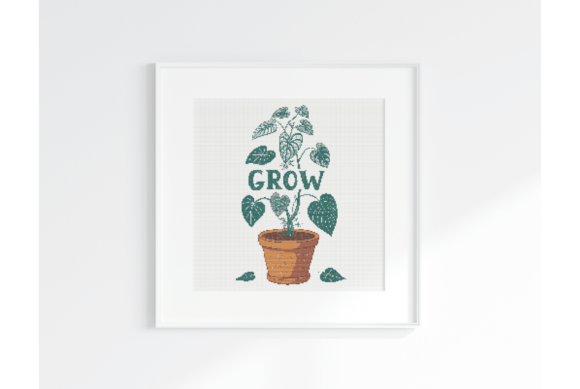
Tiny Monstera Plant Embroidery Chart Review
As a professional embroidery designer constantly sourcing new assets for commercial and custom projects, I approach every digital download with a critical eye. When evaluating the Tiny Monstera Plant Embroidery Chart from Creative Fabrica, my primary focus is not just on the aesthetic appeal of the botanical illustration, but on its technical viability for real-world production. This review examines this modern feminist houseplant design through the lens of a maker who needs reliable, stitchable graphics that translate well from screen to fabric.
First Impressions: Modern Botanical Aesthetics
The visual mood of the Tiny Monstera Plant Embroidery Chart strikes a balance between organic softness and contemporary minimalism. For those of us creating inventory for Etsy shops or boutique merchandise, this specific style of monstera imagery is currently in high demand. It avoids the overly cartoonish look of some nursery designs while remaining less rigid than traditional scientific illustrations. This versatility makes it an excellent candidate for a wide demographic, ranging from plant enthusiasts to customers seeking gender-neutral nursery decor.
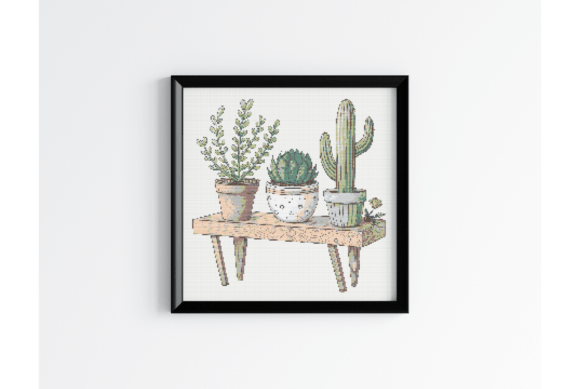
However, because this listing is specified as a digital cross stitch pattern in PDF format, designers must understand the distinction between this product type and a standard machine embroidery file. If you are a digitizer looking for base artwork to create a custom machine embroidery design, this chart provides clean lines and clear color separation. If you are a hand embroiderer or cross-stitch artist, the grid structure offers immediate usability. Always verify the file specifications on the Creative Fabrica product page to ensure it aligns with your intended production method before purchasing.
Translating Charts to Commercial Products
In my studio, we often adapt botanical charts for various substrates. The "tiny" scale of this particular monstera design is its greatest asset for commercial embroidery applications. Large, dense designs can distort lightweight fabrics or make apparel unwearable, but this compact footprint opens up numerous product possibilities.
- Custom Apparel: The small scale is ideal for left-chest placement on sweatshirts and t-shirts. It provides a subtle branding element or personalization without overwhelming the garment.
- Tote Bag Design: Canvas totes handle detailed botanical work beautifully. This chart translates well to running stitch or backstitch outlines on unbleached cotton, creating a high-end handmade product feel.
- Kitchen Towels and Aprons: Houseplant motifs naturally fit domestic textiles. The design size allows for corner placements or repeating borders that remain functional and washable.
- Nursery Decor: For baby blankets and pillow covers, the non-threatening, modern aesthetic appeals to parents looking for gender-neutral options. The chart’s simplicity ensures it won't compete with other room decor.
For sellers using this for physical products, the design's recognizability at a small size is crucial. Intricate details often get lost when scaling down for caps or patches, but the bold leaf structure of this monstera maintains integrity even at reduced dimensions.
Technical Considerations for Stitching Success
Whether you are following this chart by hand or using it as a reference for digitizing a machine embroidery design, practical execution requires careful planning. Botanical designs live or die based on line quality and color contrast.
Fabric Selection and Stabilizer Strategy
When working with tiny botanical elements, fabric texture plays a massive role. On textured fabrics like linen or slub cotton, fine details from the chart may disappear. I recommend testing on scrap fabric first. If you are adapting this into a machine embroidery file for stretchy knitwear like sweatshirts, proper stabilizer usage is non-negotiable. A cut-away stabilizer will prevent the leaf veins from puckering, which is a common failure point in plant-based embroidery.
For curved surfaces like caps, the flat nature of a PDF chart must be adjusted. You cannot simply stitch a flat grid onto a curved brim without distortion. If digitizing from this source, consider simplifying the outer edges to accommodate the curve, or utilize an applique design technique where the monstera shape is applied as fabric rather than stitched entirely in fill stitch.
Stitch Density and Thread Colors
The chart likely indicates specific thread colors, but real-world application requires flexibility. Monitor calibration varies, so always compare light and dark fabric mockups before committing to a palette. Dark fabrics may require lighter thread variations to maintain the definition seen in the digital preview. Conversely, on white fabric, ensure your green tones have enough saturation to avoid looking washed out after laundering.
If converting this to a machine format, pay close attention to stitch density. Satin stitch works beautifully for the stems and leaf ribs, but excessive density in the leaf body can cause bulletproof stiffness. Consider using a tatami fill stitch with a slight texture to mimic natural leaf surfaces while keeping the finished product soft against the skin.
Enhancing Product Value and Buyer Trust
Using high-quality design assets like the Tiny Monstera Plant Embroidery Chart directly impacts perceived value. Customers associate crisp, well-executed botanical art with professional craftsmanship. Sloppy stitching or poor color choices derived from misinterpreting a chart can damage brand consistency.
For digital product sellers and creative entrepreneurs, this chart also serves as a foundation for printable mockups. Presenting the design in a realistic context helps customers visualize the final result. However, transparency is key. If selling the finished handmade product, ensure your photography accurately represents the scale and color of the actual embroidery. Misleading mockups lead to returns and negative reviews.
Furthermore, consistent use of cohesive design themes builds buyer trust. If your shop features this modern feminist houseplant aesthetic, ensure your packaging, tags, and social media content reflect the same vibe. The Tiny Monstera Plant Embroidery Chart should be part of a larger curated collection, not an isolated outlier.
Critical Pre-Purchase Checklist
Before adding this item to your cart or integrating it into your workflow, perform these essential checks to protect your business and creative output:
- Verify License Terms: Confirm whether the Creative Fabrica license permits commercial use of finished products. Some licenses restrict mass production or require attribution.
- Check File Specifications: Reiterate that this is listed as a PDF cross stitch pattern. Do not assume it includes DST, PES, or other machine embroidery file formats unless explicitly stated.
- Assess Skill Level: Ensure the chart complexity matches your current skill set or digitizing software capabilities. Tiny details require precision.
- Test Before Selling: Never list a personalized gift or custom apparel item based solely on a digital preview. Stitch a sample to confirm hoop size compatibility and thread consumption.
- Review Color Fastness: Since this is a plant design often used on items requiring frequent washing (towels, baby clothes), pair the chart with colorfast threads to prevent bleeding.
Final Thoughts for Makers
The Tiny Monstera Plant Embroidery Chart represents a valuable asset for designers focused on modern, nature-inspired goods. Its strength lies in its scalability and broad market appeal. Whether utilized strictly as a cross stitch guide or as artistic inspiration for custom digitizing, it offers a solid foundation for creating sellable, giftable items. By respecting the technical constraints of small-scale botanical work and verifying all licensing and file details upfront, makers can confidently integrate this design into their commercial embroidery repertoire. Always prioritize tangible testing over digital assumption to ensure your finished product meets the high standards your customers expect.