Plant Lover Embroidery Design Review
As an embroidery designer who frequently sources assets for both personal passion projects and commercial client orders, I approach every new download with a critical eye. When browsing Creative Fabrica embroidery collections, it is easy to get swept up in beautiful preview images, but the true test lies in how a design translates from screen to fabric. Recently, I evaluated the Plant Lover Embroidery Design for a potential library-themed capsule collection. While this product is listed under Cross Stitch Patterns and Graphics as a PDF xstitch chart, my review focuses on its viability for creators looking to adapt botanical aesthetics into tangible handmade products.
First Impressions and Visual Mood
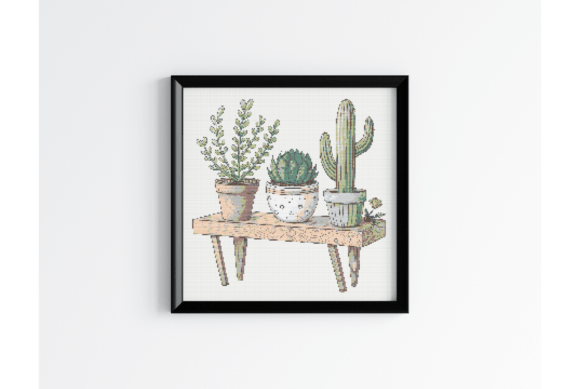
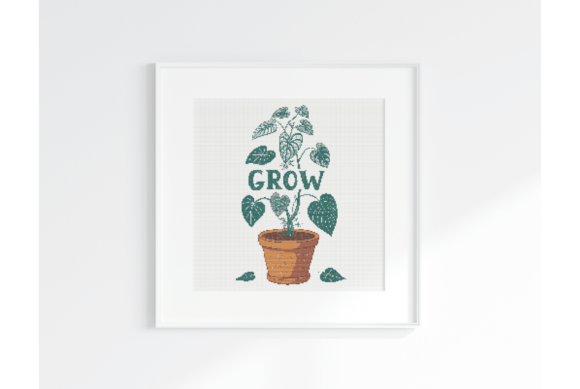
The immediate appeal of the Plant Lover Embroidery Design is its cozy, intellectual atmosphere. It captures the specific niche of "dark academia" and cottagecore that is currently trending in the handmade market. For an Etsy seller or small business owner, this visual mood is crucial. It does not just depict a plant; it evokes a feeling of quiet relaxation and curated spaces. As a digital embroidery file source, the artwork provides a strong foundation for customization. However, because this specific listing is a PDF chart rather than a pre-digitized machine embroidery design, it requires a distinct workflow. This distinction is vital for apparel decorators and creative entrepreneurs to understand before purchasing. You are acquiring the artistic blueprint, which offers immense freedom for interpretation but demands digitizing skills or collaboration with a digitizer to create a stitch file suitable for machines.
Adapting Charts for Commercial Embroidery Projects
For those of us working with embroidery machines, adapting a cross-stitch chart into a machine format opens up unique opportunities for custom apparel and home decor. The grid-based nature of the Plant Lover Embroidery Design makes it exceptionally well-suited for conversion into satin stitch borders or geometric fill stitch patterns. Unlike complex shaded illustrations that can become muddy when digitized, the clear lines of this botanical graphic allow for crisp, defined stitching.
I envision this design performing beautifully on structured items like tote bags and aprons. The linear quality of the original chart translates well to running stitch outlines on canvas, creating a vintage, hand-stitched look that buyers adore. For sweatshirt embroidery, the design could be adapted into a chest-sized motif using textured fill stitches to mimic the depth of needlework without the excessive density that causes fabric puckering. If you are creating embroidered patches, the high-contrast nature of the plant lover aesthetic ensures readability even at smaller sizes, which is essential for merchandise visibility at craft fairs.
Practical Considerations for Fabric and Stabilizer
When moving from a paper chart to a finished product, technical execution determines customer satisfaction. Botanical designs often feature intricate leaves and stems that can be challenging on stretchy fabrics. If you plan to use this design for baby blankets or knitwear, stabilizer choice is non-negotiable. A cut-away stabilizer is generally required to support the stitch density and prevent distortion during washing. For kitchen towels or pillow covers, a tear-away or wash-away stabilizer may suffice, depending on the final stitch count after you have digitized the pattern.
Hoop size is another practical constraint. The Plant Lover Embroidery Design likely has a vertical orientation given its book corner theme. Ensure your machine’s hoop can accommodate the full height without requiring excessive re-hooping, which increases production time and alignment risks for commercial embroidery runs. If you are targeting the cap market, be aware that curved surfaces distort vertical lines. You may need to modify the chart’s proportions or add compensation stitches to maintain the botanical integrity on a curved brim.
Thread Colors and Contrast Testing
Botanical themes rely heavily on color accuracy. Before committing to a production run, always test thread colors on scrap fabric that matches your final product. Dark green threads on navy sweatshirts can disappear, losing the detail that makes the design special. Conversely, bright greens on white linen might look too stark. Creating a printable mockup or a physical stitch-out sample helps verify contrast. This step protects your brand consistency and ensures the personalized gift or boutique merchandise meets professional standards.
Evaluating Value for Handmade Business Owners
Is the Plant Lover Embroidery Design worth adding to your asset library? For digital product sellers and designers, the answer is a resounding yes, provided you understand the format. Owning the chart allows you to create proprietary machine embroidery designs that competitors cannot simply buy off the shelf. This exclusivity adds significant value to your shop. For makers who prefer hand embroidery, the PDF is ready for immediate use, making it a cost-effective resource for slow-stitching projects.
From a marketing perspective, this design supports excellent product photography. The "book corner" theme naturally lends itself to lifestyle staging. Photographing a finished tote bag or pillow next to stacked books and warm lighting enhances the perceived value of the handmade product. This contextual presentation drives customer engagement and justifies premium pricing. Furthermore, because the design targets a specific subculture of plant and book lovers, it serves as a strong hook for niche marketing campaigns and social media content.
Critical Pre-Purchase Checklist
Before downloading, please verify the following details on the Creative Fabrica product page to ensure it aligns with your current capabilities and business needs:
- File Format Confirmation: Verify that the download is indeed a PDF xstitch chart and not a machine embroidery file (like PES, DST, or JEF) unless you intend to digitize it yourself.
- Licensing Terms: Check if the license permits commercial use of finished physical products versus digital redistribution. Most Creative Fabrica embroidery licenses allow selling handmade items, but terms vary by designer.
- Chart Complexity: Assess the grid size and color count. A highly detailed chart may require thousands of stitches when converted, potentially making it unsuitable for lightweight fabrics or quick-turnaround commercial embroidery.
- Design Dimensions: Confirm the physical dimensions of the chart to ensure it fits your intended hoop size or project area without excessive resizing.
Final Thoughts for Creative Entrepreneurs
The Plant Lover Embroidery Design represents a versatile asset for the thoughtful maker. Its strength lies in its evocative mood and structural clarity, making it adaptable for everything from delicate nursery decor to sturdy market tote bags. While it requires an extra step for machine embroiderers compared to plug-and-play files, this barrier to entry is actually a benefit. It encourages the creation of unique, customized interpretations that stand out in a saturated marketplace.
Whether you are stitching by hand for a cozy weekend project or digitizing for a new line of literary-inspired apparel, this design offers a solid aesthetic foundation. Just remember to respect the technical requirements of your chosen medium. Test your stabilizers, validate your thread contrasts, and always double-check the licensing. By treating this graphic as a professional design asset rather than just a pretty picture, you can elevate your handmade offerings and build deeper trust with customers who value quality craftsmanship.