Wave Magic Fairy Turtle Embroidery Review
As I prepare my inventory for the upcoming summer craft fair season, I am constantly evaluating which digital assets will translate best into physical sales. The Wave Magic Fairy Turtle Embroidery design immediately caught my eye as a potential bestseller for warm-weather markets. When reviewing a new machine embroidery design for commercial production, I look beyond the screen preview to assess stitch integrity, marketability, and versatility across different blanks. This specific design, blending tropical aesthetics with whimsical fantasy elements, offers a unique opportunity for handmade shop owners and Etsy sellers looking to capture the summer niche without resorting to generic clip art.
First Impressions and Visual Appeal
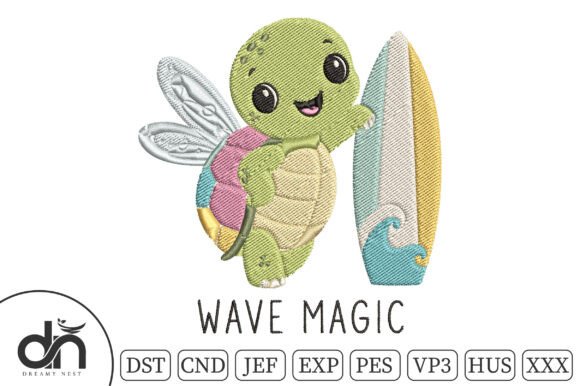
My initial assessment of the Wave Magic Fairy Turtle Embroidery is that it strikes a delicate balance between cute and elegant. It does not feel overly juvenile, which expands the target demographic from children to adults who appreciate coastal cottagecore or boho-tropical vibes. The combination of the turtle, wave motifs, and fairy elements suggests a sense of movement and magic that static animal designs often lack. For a craft fair product, this visual interest is crucial. Customers walking past a booth are drawn to texture and narrative; this design provides both. It feels premium rather than mass-produced, provided the digitizing maintains clean satin stitches and appropriate fill patterns. The "heart-melting" description holds true, but from a professional standpoint, it is the artistic composition that makes it a viable candidate for high-margin items like embroidered patches and boutique tote bags.
Best Product Applications for Market Sales
Determining where to place a design is just as important as the design itself. Based on the tropical summer art theme, I have identified several high-potential applications for this embroidery file:
- Tote Bags and Market Shoppers: This is arguably the strongest application. A natural canvas or denim tote bag featuring the Wave Magic Fairy Turtle serves as a functional summer accessory. The design size likely allows for a centered placement that acts as a focal point without overwhelming the bag's utility.
- Tea Towels and Kitchen Linens: Coastal-themed kitchenware sells consistently at handmade markets. On a flour sack towel, the fairy turtle adds a touch of whimsy that elevates a basic utility item to a giftable handmade product. Ensure the design is positioned in the lower third or corner for optimal drape and visibility when hung.
- Embroidered Patches: Creating standalone patches is an excellent way to utilize this design for impulse buys. Patches allow customers to customize their own gear, and the intricate details of a fairy turtle translate beautifully to twill or felt bases with merrowed edges.
- Caps and Visors: Summer headwear is a staple. However, caps present technical challenges due to curvature. If the Wave Magic Fairy Turtle has a tall vertical aspect ratio, it may require resizing or re-digitizing specifically for cap hoops to prevent distortion.
- Aprons: For beachside vendors or summer cafe staff, custom aprons are a great B2B opportunity. This design works well as a chest logo or a larger back piece, adding brand personality to functional workwear.
Production Practicality and Batch Efficiency
For small shop products and commercial embroidery businesses, time is money. I evaluate every design based on its repeatability. The Wave Magic Fairy Turtle appears to be a self-contained motif, which is ideal for batch production. Unlike border designs or complex quilting blocks, this standalone art can be hooped quickly and aligned easily using standard grid methods. For Etsy sellers managing made-to-order listings, this efficiency reduces turnaround time. Furthermore, the design photographs exceptionally well. The distinct shapes and likely vibrant thread colors create high contrast against neutral fabrics, making for strong listing photos and printable mockups. When customers can clearly see the stitch definition in a thumbnail, conversion rates increase. I recommend stitching out at least one physical sample specifically for photography, as digital renderings often fail to capture the sheen and texture that justify a higher price point.
Technical Considerations and Careful Use Notes
While the aesthetic is charming, technical execution determines the final quality. As an experienced designer, I must highlight specific areas requiring attention when working with this digital embroidery file:
- Stitch Density and Fabric Texture: Tropical designs often involve solid fill areas for water or shells. If stitching on textured tea towels or terry cloth, you must use a water-soluble topping to prevent stitches from sinking into the pile. Without this, the fine details of the fairy wings or turtle shell will be lost.
- Small Details and Lettering: If the design includes tiny text or minute facial features, verify the minimum size before scaling down. Reducing a complex design by more than 20% can cause thread breaks and illegible details. Always test the smallest intended size on scrap fabric first.
- Stabilizer Selection: For tote bags and canvas, a medium-weight cutaway stabilizer is usually necessary to support the stitch count and prevent puckering. For lighter summer fabrics like linen or cotton voile, switch to a tear-away or lightweight mesh cutaway to maintain fabric drape.
- Thread Color Matching: The "magic" aspect implies iridescence or sparkle. Consider using variegated or metallic threads for the wave or wing sections to enhance the tactile experience. However, ensure your machine tension is adjusted for specialty threads to avoid fraying during long production runs.
- Hoop Size Verification: Before purchasing or stitching, confirm the design dimensions against your available hoop sizes. Nothing halts production faster than realizing a file requires a 5x7 hoop when you only have 4x4 capability.
Designer’s Checklist for Commercial Success
To maximize the ROI on the Wave Magic Fairy Turtle Embroidery, follow this pre-production protocol. First, always check the licensing terms included with the file. Ensure you have the right to sell finished physical products, especially if you plan to wholesale to local boutiques. Second, create a real-world mockup. Do not rely solely on software simulations; stitch the design on the exact blank you intend to sell to verify color contrast and placement. Third, inspect the stitch path. Efficient digitizing minimizes jump stitches and trims, which directly impacts your profit margin per hour. Finally, consider the seasonality. This is a quintessential summer asset. Plan your production schedule to have inventory ready four weeks before peak tourist or festival season. By treating this design asset with professional rigor, you transform a cute graphic into a sustainable revenue stream for your embroidery business.