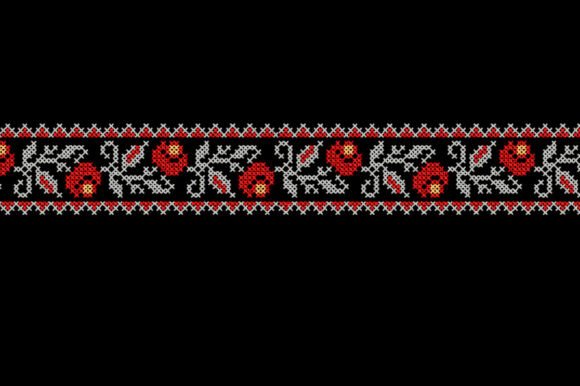
Roses Cross Stitch Border: A Craft Fair Review
As an experienced embroidery designer preparing for a weekend craft fair, my evaluation of any new machine embroidery design goes far beyond digital aesthetics. I need to know if it will sell when displayed on a crowded table next to dozens of other vendors. When reviewing the Roses Cross Sttich Border Embroidery, specifically sized at 1.62 x 6 inches, I see immediate potential for high-turnover inventory. This folk embroidery pattern strikes a specific balance between nostalgic charm and practical application that resonates deeply with buyers looking for authentic handmade products. The dimensions suggest a versatile horizontal motif perfect for edging, making it a strategic asset for booth displays focused on home goods and apparel accents.
First Impressions and Market Positioning
The first impression of this floral border motif is undeniably soft yet structured. It does not scream modern minimalism; instead, it leans into a romantic, cottage-core aesthetic that performs exceptionally well in physical markets. Customers at craft fairs often gravitate toward items that feel tangible and traditional. This design delivers that tactile promise visually. As a craft fair product, it avoids the trap of looking like generic clip art. The cross stitch simulation implies patience and heritage, even when executed by machine. For an Etsy seller or boutique maker, this design signals "heirloom quality" rather than mass production. It feels premium because of its association with folk art traditions, allowing you to price finished goods higher than standard monogrammed items.
Best Performing Products for Booth Displays
When planning my table layout, I categorize designs by their highest probability of sale. The 1.62 x 6 inch aspect ratio of Roses Cross Sttich Border Embroidery dictates where it shines brightest. It is too narrow for a central chest placement on an adult sweatshirt but is absolutely ideal for linear applications.
- Tea Towel Embroidery: This is the primary revenue driver for this specific file. Placing the border along the bottom hem or above a hanging loop creates a classic look. Tea towels are high-volume sellers at markets, and this floral motif elevates them from utility items to giftable decor.
- Apron Embroidery: Running this border across the top bib or along the bottom hem of a linen apron adds significant perceived value. It transforms a plain canvas apron into a branded, artisanal piece.
- Tote Bag Design: Market bags and canvas totes benefit immensely from horizontal borders. Stitching this near the top opening frames the bag beautifully without interfering with handles or structural seams.
- Pillowcases and Napkins: For household linens, this size is perfect for standard edging. It allows for batch production where multiple napkins can be hooped simultaneously if your machine capacity allows, streamlining prep time before the fair.
While caps and patches are popular, this specific dimension makes them challenging. A 6-inch width is often too wide for a standard cap frame without distortion, and 1.62 inches may lack the vertical presence needed for a standalone patch. Stick to flat textiles for this particular embroidery file to ensure retail success.
Production Practicality and Batch Efficiency
For a small shop product line, efficiency is profit. Borders are inherently repeatable, which makes this design a workhorse for batch production. Unlike complex, multi-hoop centerpieces, Roses Cross Sttich Border Embroidery likely fits within a standard hoop size, reducing re-hooping time. However, as a designer, I must verify the stitch density. Cross stitch simulations can sometimes become thread-heavy. If the design is too dense, it will pucker lightweight tea towels or cause needle breaks during long production runs. Always run a test stitch-out on scrap fabric identical to your final product. Check if the design requires a specific stabilizer weight; a tear-away might suffice for sturdy canvas totes, but linen napkins may require a cut-away or wash-away to prevent distortion.
Photographing this design for online listings or printable mockups requires attention to scale. Because it is a border, photographing it flat can look two-dimensional. Stage the finished product in use—draped over a chair arm or folded neatly in a basket—to show how the 1.62 x 6 inch proportion interacts with real-world objects. This helps digital buyers visualize the scale before purchasing the digital embroidery file.
Critical Use Notes and Technical Constraints
Even beautiful designs have limitations. When integrating Roses Cross Sttich Border Embroidery into commercial embroidery workflows, keep these constraints in mind:
- Fabric Texture Sensitivity: Cross stitch effects rely on clear definition. On highly textured fabrics like terry cloth or waffle weave, the simulated stitches may get lost. Use a water-soluble topping to ensure the floral details remain crisp and visible.
- Thread Color Contrast: Folk patterns often utilize variegated or muted tones. Test your thread colors against dark fabrics. A dusty rose thread on cream linen reads as elegant; the same thread on navy blue may disappear. High contrast is essential for market visibility where customers view items from several feet away.
- Alignment Challenges: If you plan to extend the border beyond 6 inches by re-hooping, alignment is critical. Misaligned repeats look unprofessional and devalue the finished product. Use alignment marks or basting boxes included in the file to ensure seamless continuity.
- Curved Surfaces: Avoid using this linear border on curved areas like sleeve cuffs or rounded yokes unless you are experienced in distorting designs. The straight geometry of a 1.62 x 6 border will warp awkwardly on compound curves.
Enhancing Brand Value and Customer Engagement
Incorporating Roses Cross Sttich Border Embroidery into your lineup does more than fill shelf space; it anchors your brand identity. Consistent use of folk motifs across design assets creates a cohesive collection. When customers see matching borders on tea towels, tote bags, and pillow covers at your booth, they are more likely to purchase multiples as a set. This bundling strategy increases average transaction value significantly.
Furthermore, this design appeals to the emotional buyer. In a sea of trendy slogans and pop-culture references, a timeless floral border offers longevity. It suggests that the item will not go out of style next season. For creative entrepreneurs, this means less dead stock after the fair ends. The versatility of the border category allows this single file to serve multiple product lines, maximizing your return on investment.
Designer Checklist Before Selling
Before listing this as a commercial embroidery offering or stitching it for sale, complete this verification process:
- Confirm the exact hoop size requirements match your equipment capabilities.
- Verify licensing terms to ensure selling finished products derived from this file is permitted.
- Create at least one physical sample to assess hand-feel and drape; digital previews cannot replicate the stiffness of dense embroidery on lightweight fabric.
- Check spacing and margins; ensure the 1.62 x 6 dimension leaves adequate seam allowance for hemming without cutting into the design.
- Review color charts to establish a signature palette that distinguishes your work from other vendors using the same base file.
Roses Cross Sttich Border Embroidery represents a smart addition to any maker’s portfolio. Its specific dimensions and folk aesthetic solve real merchandising problems for craft fair sellers, providing a reliable, attractive option for textile-based goods. By respecting its technical requirements and leveraging its romantic appeal, you can turn this digital file into tangible profit and lasting customer loyalty.