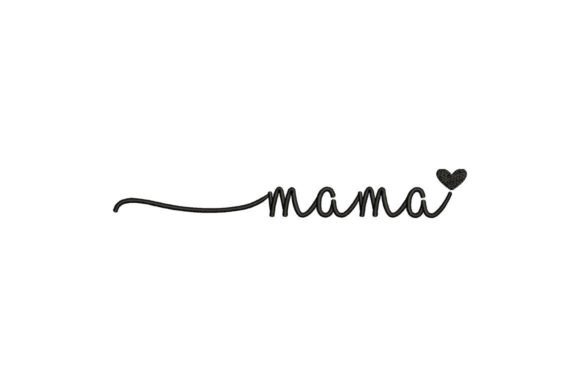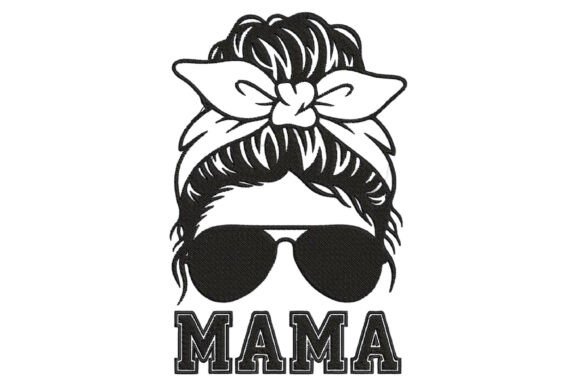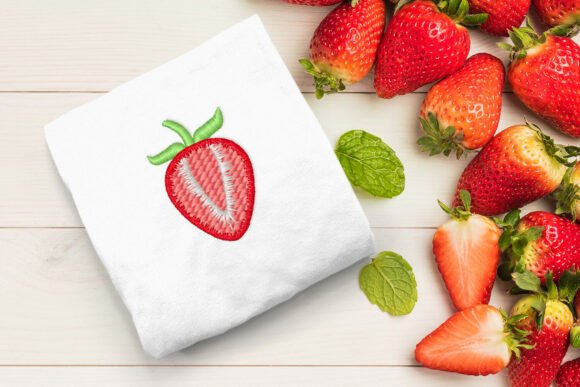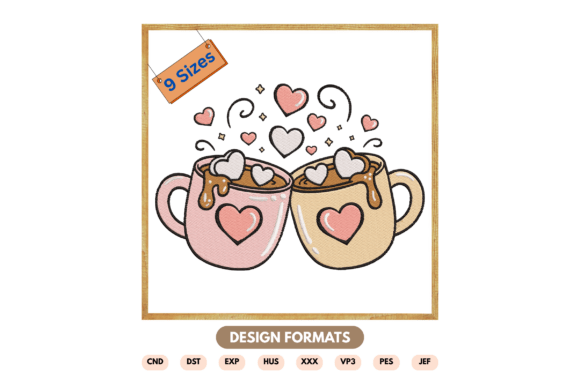
Mini Embroidery Design for Boutique Apparel
As an embroidery designer constantly curating collections for boutique apparel, I am always on the lookout for digital assets that balance trendiness with technical viability. When browsing Creative Fabrica embroidery libraries for upcoming seasonal drops, the Mini Embroidery Design caught my eye as a potential staple for a Mother’s Day capsule collection. While the product description highlights its versatility for t-shirts, bags, and home décor, my primary focus is evaluating how this machine embroidery design performs specifically on sweatshirts, hoodies, and premium custom apparel intended for retail sale.
First Impressions: Visual Mood and Stitch Personality
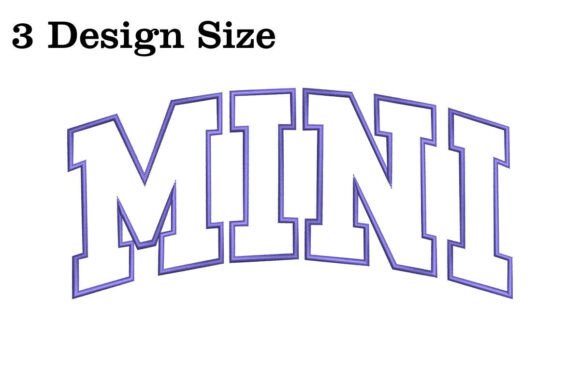
Upon reviewing the preview files for Mini Embroidery Design, the immediate impression is one of refined charm rather than overwhelming complexity. For a boutique brand or Etsy seller, this distinction is critical. The design possesses a visual personality that feels playful yet polished, making it suitable for both casual wear and thoughtful gifts. It does not scream "craft project"; instead, it suggests a curated aesthetic that aligns with modern handmade product standards.
The decorative strength lies in its scale. As a mini design, it avoids the heavy, bulletproof vest effect that dense embroidery can sometimes create on lightweight garments. This makes it particularly appealing for spring and summer collections where fabric texture needs to breathe. Whether you are aiming for a feminine, rustic, or minimal trendy look, this embroidery file appears adaptable enough to shift moods based solely on your thread colors and placement choices.
Strategic Placement for Sweatshirts and Hoodies
When planning a sweatshirt embroidery collection, placement dictates perceived value. Mini Embroidery Design shines in specific zones that drive engagement in lifestyle product photos and social media graphics.
- Left Chest Placement: This is the classic zone for boutique merchandise. The compact nature of this design allows for precise centering over the heart area without distorting on oversized garments.
- Sleeve Accents: A growing trend in custom apparel is wrist or forearm embroidery. Because this design is miniature, it fits beautifully on cuffs or just above the wrist bone, adding a subtle detail that elevates a basic hoodie design into a premium piece.
- Nape of Neck: For a high-end finish, consider placing this small motif at the back neckline. It serves as a signature tag replacement that enhances brand identity and buyer trust.
- Tote Bag Integration: If your shop sells matching apparel and accessories, this design scales perfectly for canvas tote bags, creating cohesive bundles for Mother’s Day shoppers.
For Etsy listings and printable mockups, these placements photograph exceptionally well. The clean lines and manageable size ensure the design remains legible even in thumbnail images, which is vital for click-through rates in crowded digital marketplaces.
Technical Considerations for Commercial Embroidery
A beautiful screen capture does not guarantee a flawless finished product. As professionals, we must scrutinize the technical aspects of any digital embroidery file before committing to production. While Mini Embroidery Design is marketed for various uses, apparel decorators must verify specific parameters.
Fabric Compatibility and Stabilizer Selection
Sweatshirt fleece and ribbed knit fabrics present unique challenges. The pile of fleece can swallow fine details, while ribbing stretches unpredictably. Before running this design on sellable inventory, test on scrap fabric that matches your garment weight exactly. You may need to adjust your stabilizer choice; a cut-away backing is generally non-negotiable for stretchy knits to prevent puckering around the stitch area. If the design includes tiny lettering or intricate satin stitches, consider using a water-soluble topping to keep the fabric texture from interfering with stitch clarity.
Hoop Size and Stitch Density Verification
Always confirm the hoop size requirements listed in the Creative Fabrica product details. Even if a design is "mini," ensuring you have adequate margin within your hoop prevents registration issues. Furthermore, inspect the stitch density. For commercial embroidery products worn against the skin, excessive density leads to stiffness and discomfort. If the file feels too heavy during your test run, utilize editing software to reduce underlay or fill density slightly, preserving the drape of the garment.
Thread Color Contrast on Dark Garments
This design brings charm to dark apparel, but contrast is key. Pastel threads on charcoal sweatshirts create a soft, vintage vibe, while metallic threads on navy hoodies add festive elegance. However, be wary of using light-colored threads on dark fabrics without proper underlay, as the fabric color may bleed through. Review your thread colors against the actual garment material, not just a digital rendering, to ensure the visual impact translates to the physical product.
Elevating Brand Value and Customer Engagement
In the competitive landscape of small shop products, consistency builds recognition. Using versatile assets like Mini Embroidery Design allows you to create a cohesive narrative across different items. When customers see a recurring motif on t-shirts, cushions, and denim jackets, it reinforces professional presentation and brand identity.
Moreover, the "mini" aspect caters to current consumer preferences for subtlety. Many buyers are moving away from massive logos toward discreet, meaningful embellishments. By offering this design on neutral sweatshirts or pastel hoodies, you tap into the demand for wearable art that doesn't overpower the wearer's personal style. This alignment between product offering and market desire directly influences customer engagement and repeat business.
Essential Pre-Production Checklist for Sellers
Before listing finished apparel featuring Mini Embroidery Design, adhere to this professional workflow to protect your reputation and minimize waste:
- Verify Licensing: Double-check the Creative Fabrica license terms regarding commercial use of finished products versus selling the digital file itself. Ensure your intended business model complies fully.
- Run a Sew-Out Test: Never skip testing on the exact garment type you intend to sell. Check for pull, puckering, and registration.
- Assess Washability: Launder your test sample. Mini designs can sometimes distort after washing if the stabilizer was insufficient or the tension was off.
- Photograph Real Samples: While printable mockups are useful for initial listings, invest time in photographing the actual embroidered item. Close-ups of the stitch quality build significantly more buyer trust than generic digital renders.
- Confirm File Formats: Ensure the embroidery file format provided is compatible with your specific machine brand to avoid conversion errors that could alter stitch paths.
Final Thoughts for Apparel Decorators
Mini Embroidery Design represents a valuable asset for creative entrepreneurs looking to expand their Mother’s Day or everyday boutique offerings. Its strength lies in its adaptability and its ability to add a stylish touch without dominating the garment. By approaching this design with a professional mindset—prioritizing testing, understanding fabric behavior, and verifying technical specs—you can transform a simple digital download into a high-value component of your custom apparel line. Whether applied to a cozy seasonal outfit or a structured denim jacket, this design has the potential to bring genuine creativity and commercial success to your embroidery business.