Forest Owl Embroidery: A Designer’s Practical Review
When evaluating a new machine embroidery design for professional or commercial use, the first question is never just about aesthetics; it is about stitchability and market fit. As a designer who regularly sources assets for client projects and shop inventory, I approached the Forest Owl Embroidery file with a critical eye toward real-world application. This isn't merely a cute graphic; it is positioned as a stately piece of woodland art intended to bring wisdom and warmth to textiles. My initial assessment focused on whether this design could transition seamlessly from a digital preview to a high-value finished product without losing its character or causing production headaches.
First Impressions and Visual Weight
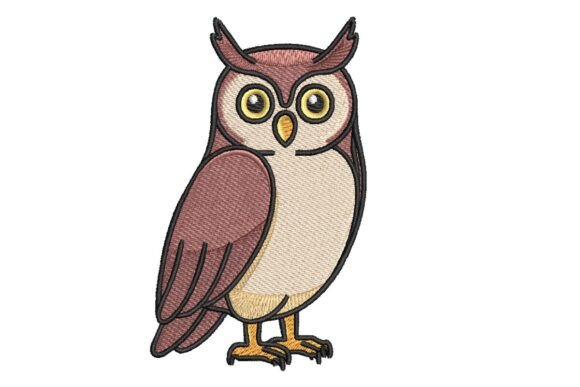
The visual personality of this design leans heavily into the "lodge-style" and "library-themed" aesthetic mentioned in the product description. Unlike cartoonish woodland animals that dominate the baby market, this Forest Owl Embroidery carries a sense of maturity and sophistication. The composition suggests a balanced interplay between negative space and detailed stitching, which is crucial for maintaining clarity on fabric. For an Etsy seller or boutique owner, this distinction matters. It signals to the buyer that the item is curated rather than generic. When I look at the layout, I immediately visualize it centered on natural linen or dark green canvas, where the contrast would allow the owl’s features to pop without requiring excessive thread density.
Real-World Application: The Custom Tote Bag Test
To truly judge the viability of this embroidery file, I mentally ran through a specific production scenario: creating a premium, library-themed tote bag for a local bookshop collaboration. Tote bags are unforgiving; the canvas is thick, the grain can be coarse, and customers expect crisp lines even after heavy use. In this context, the Forest Owl Embroidery needs to perform as more than just decoration—it needs to be durable branding.
If utilizing this as a tote bag design, I would pay close attention to how the design handles texture. A stately owl often involves intricate feather detailing. If those details rely solely on tiny running stitches, they might get lost in the weave of a 12oz canvas. However, if the digitizer has employed smart fill stitches or strategic satin stitch borders, the design will sit proudly on top of the fabric. For my hypothetical bookshop project, this design serves as the anchor. It elevates a simple utility bag into a personalized gift or merchandise item that patrons feel good about carrying. The "wisdom of the woods" theme aligns perfectly with literary culture, making it a stronger seller than a generic bird motif.
Fabric Compatibility and Stabilizer Strategy
While the design excels in concept, practical execution depends entirely on your substrate. Based on the intricate nature typical of woodland animal embroidery, here is how I recommend approaching different materials:
- Linen and Cotton Canvas: These are the ideal homes for this design. The stable weave supports detailed stitching. Use a medium-weight cut-away stabilizer to prevent puckering around dense areas while keeping the drape natural.
- Sweatshirt Fleece: For sweatshirt embroidery, the pile of the fabric can swallow fine details. You must use a water-soluble topping to keep the stitches visible. The Forest Owl Embroidery would work beautifully on the chest or back yoke, but avoid placing tiny text elements directly on high-pile fleece unless you increase the letter size.
- Baby Clothes and Knits: Proceed with caution. While baby embroidery is a huge market, this specific "stately" aesthetic may be too visually heavy for delicate onesies. If adapting for infant wear, ensure the stitch density isn't so high that it creates a bulletproof patch on stretchy cotton. Always test on scrap knit fabric first.
- Caps and Curved Surfaces: Unless the design is specifically digitized for caps, centering a complex owl on a curved brim area is risky. Distortion is likely. Stick to flat surfaces or unstructured hat fronts for the best results.
Commercial Value and Brand Consistency
For creative entrepreneurs and small shop product developers, consistency builds trust. Using a design like Forest Owl Embroidery helps establish a cohesive brand identity across multiple SKUs. Imagine offering a matching set: an embroidered patch for denim jackets, a tea towel for the kitchen, and a pillow cover for the reading nook. The versatility of this woodland theme allows for cross-category merchandising without looking disjointed.
However, value is also determined by perceived quality. A design that registers poorly or has jump stitches in visible areas devalues the entire brand. Before listing any handmade product featuring this owl, verify that the thread colors selected enhance the "stately" mood. Muddy or neon colorways will clash with the intended lodge aesthetic. Opt for earth tones, deep forest greens, warm browns, and muted golds. These choices reinforce the premium positioning and justify a higher price point for your commercial embroidery goods.
Critical Pre-Stitch Checklist for Makers
Even the most beautiful digital embroidery file requires due diligence. Do not skip these steps before committing to a full production run:
- Verify Hoop Size and Dimensions: Never assume the design fits your hoop with room to spare. Check the exact dimensions against your machine’s capabilities. Crowding the hoop leads to registration errors.
- Test Stitch Density: Run a sample on the exact fabric you intend to sell. If the fabric ripples, the density is too high for that material. If the fabric shows through, it’s too low. Adjustments may be necessary depending on whether you are doing applique design work or full fill stitching.
- Check Licensing Terms: This is non-negotiable for business owners. Confirm whether the license permits selling finished physical products, digital files, or both. Protect your business by respecting the digitizer's terms.
- Create Printable Mockups: Before stitching inventory, use a realistic printable mockup to gauge scale. Does the owl look proportional on a standard tote? Is it too small for a throw pillow? Digital visualization saves thread and time.
- Inspect Small Details: Zoom in on the file in your editing software. Are there isolated stitches that might break? Is the underlay sufficient for textured fabrics? Fixing these issues digitally is cheaper than ruining a garment.
Elevating the Finished Product
Ultimately, the Forest Owl Embroidery offers significant potential for makers who understand their audience. It bridges the gap between nursery cute and adult sophisticated, opening up markets for home decor, academic gifts, and nature-inspired apparel. By treating this embroidery project with professional rigor—testing stabilizers, curating thread palettes, and respecting fabric limitations—you transform a digital asset into a tangible product that resonates with buyers.
Whether you are crafting a holiday embroidery gift for a librarian or building a year-round collection for your online store, this design provides a strong foundation. Just remember that the "wisdom" in the woods translates to wisdom in the studio: measure twice, stabilize correctly, and always let the quality of your stitching validate the beauty of the design. When executed well, this stately owl becomes more than just thread on fabric; it becomes a signature piece that defines the craftsmanship of your brand.