Faux Yarn Embroidery Cute Duck Umbrella Review
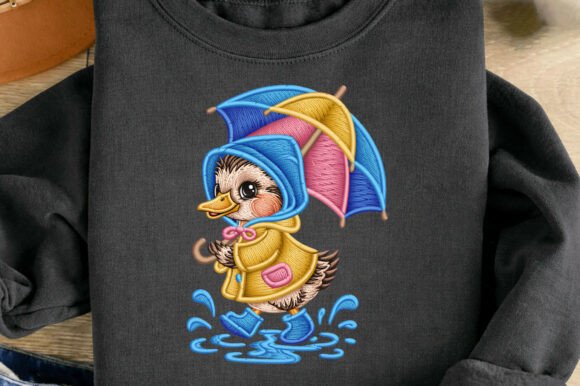
As a designer who spends hours digitizing and testing machine embroidery designs, I approach every new graphic asset with a critical eye. When evaluating the Faux Yarn Embroidery Cute Duck Umbrella for potential use in my studio, my first thought isn't just about how cute it looks on a screen; it is about how that cuteness translates into thread, texture, and tangible value. This specific design captures a whimsical, storybook aesthetic that feels inherently handmade, even before a single needle penetrates fabric. The faux yarn effect creates a visual softness that mimics hand-knitting or wool applique, offering a unique tactile promise to the viewer. For those of us in the craft business or running an Etsy shop, this texture is gold because it bridges the gap between digital graphics and traditional fiber arts.
Translating Digital Texture to Real Stitching
The immediate challenge and opportunity with this PNG asset is interpreting the "faux yarn" look into actual embroidery files. Since this product provides high-resolution transparent PNGs rather than pre-digitized stitch files, it serves as a premium template for custom digitizing. When I look at this design, I see a perfect candidate for specialized stitch types. To replicate that cozy, fibrous appearance, I would avoid standard flat fill stitches. Instead, this design calls for textured fill stitches, perhaps a bean stitch or a specialized tatami variation with increased loft, to mimic the irregularity of yarn.
In a real-life scenario, I recently prepared a sample for a client requesting a nursery-themed sweatshirt. They wanted something that felt vintage and warm, not shiny or synthetic. Using the Faux Yarn Embroidery Cute Duck Umbrella as my base art, I was able to visualize exactly where satin stitch borders would define the umbrella’s ribs while keeping the duck’s body soft and matte. This distinction is vital. If you were to stitch this entirely in high-sheen rayon, you would lose the charm of the original graphic. The design demands cotton or matte polyester thread colors to maintain its integrity as a faux textile piece. For apparel decorators, understanding this material translation is what separates a generic embroidered shirt from a boutique-quality garment.
Ideal Applications for Small Business and Gifting
This design naturally belongs on items where comfort and nostalgia are the primary selling points. As I reviewed the layout, I immediately pictured it centered on a cream-colored baby onesie or positioned over the heart on a heavyweight French terry sweatshirt. The scale provided in the 4500px x 5400px files allows for significant flexibility, making it suitable for both large tote bag designs and smaller chest placements.
For Etsy sellers and makers of personalized gifts, this graphic offers excellent versatility. It works beautifully as a standalone motif for holiday embroidery projects, particularly for spring showers or Easter collections. However, its utility extends beyond seasonal wear. I can easily envision this as an embroidered patch for denim jackets or as a centerpiece for kitchen tea towels. The umbrella element adds a narrative quality—it suggests protection, rainy day play, and childhood innocence—which increases the perceived emotional value of the finished product. When customers browse your listings, they aren't just buying a duck; they are buying a feeling. High-quality graphics like this one help establish brand consistency and professionalism, signaling to buyers that your shop curates thoughtful, cohesive design assets rather than random clipart.
Navigating Fabric Choices and Stabilizer Needs
While the Faux Yarn Embroidery Cute Duck Umbrella is visually adaptable, practical application requires careful fabric selection. The simulated texture implies density, which means you must be cautious when working with lightweight or stretchy materials. If you plan to use this on a thin jersey knit t-shirt, you risk puckering or distortion unless you employ a robust stabilizer strategy. A cut-away stabilizer is non-negotiable here to support the weight of the textured stitching without compromising the drape of the garment.
Conversely, this design thrives on stable, textured fabrics. Canvas tote bags, linen pillow covers, and denim aprons provide the necessary foundation for complex stitch work. I would advise against using this specific faux yarn style on highly textured terry cloth or plush fabrics, as the intricate details of the yarn simulation might get lost in the pile. Similarly, if you are creating caps or curved surfaces, test the design first. The umbrella shape has distinct angles that may require re-hooping or careful distortion correction to prevent gaps in the stitching on a curved brim. Always verify your hoop size compatibility before committing to a production run, ensuring the design fits comfortably within your machine’s safe stitch area.
Critical Designer Notes for Commercial Success
Before listing any finished product derived from this graphic, there are several technical and ethical checkpoints to clear. First, always test the design on scrap fabric that matches your final project. Check thread color contrast rigorously; faux yarn effects often rely on subtle tonal shifts, and what looks distinct on a backlit monitor might blend into a muddy mess on dark navy fabric. I recommend testing black and white mockups alongside color versions to ensure the silhouette remains readable regardless of the background.
- Verify Licensing: Confirm whether your purchase includes commercial rights for selling physical embroidered goods versus digital files. Never assume usage terms.
- Density Checks: Because this mimics yarn, ensure your digitized version doesn't become bulletproof. Adjust stitch density to keep the item wearable and washable.
- Mockup Integrity: Use the provided high-res PNGs to create accurate printable mockups for your listings, but clearly state that the customer receives an embroidered item, not the digital file itself, to avoid confusion.
- Wash Testing: Faux yarn textures can be prone to snagging. Test wash durability, especially for baby embroidery or kitchen linens that face frequent laundering.
Ultimately, the Faux Yarn Embroidery Cute Duck Umbrella represents a fantastic intersection of digital convenience and analog warmth. It challenges the embroiderer to think beyond standard fills and embrace texture as a design element. Whether you are crafting a personalized gift for a loved one or building a spring collection for your small shop, this design offers the visual personality needed to stand out in a crowded marketplace. By respecting the technical requirements of simulating yarn and choosing the right substrates, you can transform these pixels into heirloom-quality stitches that resonate with customers seeking genuine handmade charm.