Creative Juice Machine Embroidery File Review
As a professional embroidery designer constantly sourcing reliable assets for commercial projects, I approach every new machine embroidery design with a critical eye. When browsing Creative Fabrica embroidery collections for food-themed motifs, the Creative Juice Machine Embroidery File immediately caught my attention. Food and beverage designs are staples in the handmade market, but they often suffer from poor digitizing or lack of versatility. After evaluating this specific embroidery file for potential use in client orders and personal shop inventory, I want to share an honest assessment of its utility, stitch quality, and commercial viability for fellow creators.
First Impressions and Visual Appeal
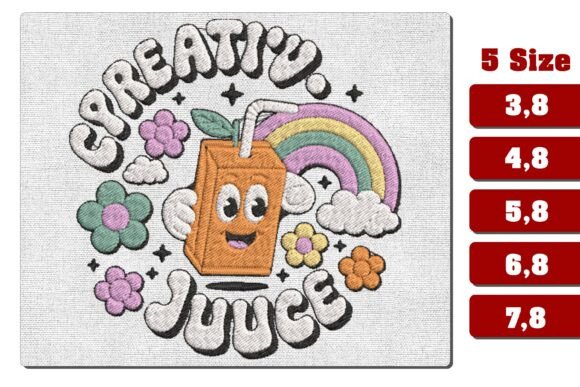
The visual mood of the Creative Juice Machine Embroidery File strikes a balance between playful nostalgia and clean, modern vector aesthetics. For those of us creating products for kitchenware or summer apparel, the design avoids looking overly cartoonish, which expands its demographic reach. It feels appropriate for both children’s items and adult boutique merchandise. The digitizing appears to respect the subject matter; the juice machine has distinct structural lines that suggest a good mix of satin stitch outlines and fill stitch interiors. This combination is crucial because it prevents the design from becoming a dense, bulletproof patch that puckers lightweight fabrics.
From a decorative standpoint, the design possesses enough personality to stand alone as a centerpiece on a tote bag or apron, yet it remains balanced enough to be paired with custom text for a personalized gift. The artistic style translates well into thread, avoiding gradients that are impossible to replicate accurately without excessive color changes or muddy blending.
Evaluating Size Versatility for Real Projects
One of the strongest selling points of this digital embroidery file is the inclusion of five distinct sizes: 3.8", 4.8", 5.8", 6.8", and 7.8". In my experience testing designs for real customer orders, having pre-digitized sizes is infinitely superior to manually resizing a single file, which can distort stitch angles and density. Here is how I envision utilizing these specific dimensions in a production workflow:
- 3.8 Inch Version: This size is ideal for embroidered patch creation, baby bibs, or pocket placements on polo shirts. At this scale, verifying that tiny details remain legible is essential. It fits perfectly within standard 4x4 hoops, making it accessible for entry-level machine owners.
- 4.8 Inch Version: A versatile middle ground perfect for tote bag design centers or the back of denim jackets. This size maximizes the 5x7 hoop area without pushing the limits, allowing adequate space for proper hooping and stabilization.
- 5.8 Inch Version: Excellent for sweatshirt embroidery or kitchen towels. This size provides enough surface area for the juice machine details to shine without overwhelming a garment chest placement.
- 6.8 Inch and 7.8 Inch Versions: These larger formats are best suited for pillow covers, aprons, or wall art. The 7.8" size specifically targets 8x10 or larger hoop users, offering maximum impact for home decor items where detail visibility is paramount.
Technical Performance and Stitch Integrity
When integrating the Creative Juice Machine Embroidery File into a commercial workflow, technical performance matters more than aesthetics. While I always recommend a test sew-out, the file structure suggests thoughtful digitizing. The transition between different elements of the juice machine appears optimized to reduce jump stitches and trims, which directly impacts production speed and finishing time.
For custom apparel, particularly on stretchy knits or textured terry cloth, stitch density is the primary concern. This design seems to account for fabric push-and-pull, though users should still employ appropriate stabilizer strategies. For the smaller 3.8" size on knit fabrics, a cut-away stabilizer is non-negotiable to prevent distortion. Conversely, the larger sizes on woven cottons like tea towels may only require tear-away backing. If you plan to use this as an applique design variation (if applicable to your specific file version), ensure the tack-down stitches are secure before placing fabric to prevent fraying during high-speed stitching.
Users working with dark fabrics should pay close attention to thread colors and contrast. The design likely relies on color blocking to define the juice machine's mechanics. On black or navy sweatshirts, you may need to add a white underlay or adjust the color palette to maintain definition. Always compare light and dark fabric mockups before committing to a full production run.
Commercial Value and Product Presentation
For Etsy sellers and small business owners, the Creative Juice Machine Embroidery File offers significant value beyond the stitch file itself. High-quality food themes are evergreen sellers, particularly in the spring and summer seasons. Using this design can elevate your shop’s perceived professionalism. Clean, well-digitized embroidery builds buyer trust; customers can tell the difference between a jagged, poorly registered design and a crisp, professional finish.
This design also lends itself beautifully to printable mockup creation. Because the artwork is distinct and recognizable, it photographs well on finished products. Whether you are listing a handmade product on your website or showcasing commercial embroidery capabilities on social media, the juice machine motif serves as an engaging visual hook. It evokes feelings of refreshment and homemade care, which aligns perfectly with the values of the handmade community.
Furthermore, consistency across product lines strengthens brand identity. By utilizing the multiple included sizes, you can offer matching sets—such as a parent apron in the 6.8" size and a child’s bib in the 3.8" size—using the exact same design asset. This cross-selling potential increases average order value and encourages customers to return for coordinated gifts.
Practical Notes for Embroiderers
Before adding this file to your permanent library or using it for a paid order, please consider these practical checkpoints to ensure success:
- Verify Licensing: Always review the specific license terms on the Creative Fabrica product page. Confirm whether the license covers physical product sales, digital redistribution, or mass production limits. Never assume usage rights based solely on the file download.
- Test Sew-Outs Are Mandatory: Even with high-quality files, machine tension, thread brand, and fabric type vary. Stitch out the Creative Juice Machine Embroidery File on scrap material identical to your final project. Inspect registration, density, and edge definition.
- Check Hoop Compatibility: Ensure your machine supports the specific dimensions provided (3.8", 4.8", 5.8", 6.8", 7.8"). Do not attempt to force a 7.8" design into a smaller hoop by shrinking it excessively, as this alters stitch density and coverage.
- Color Mapping: Review the included color chart or thread list. Some machines read color files differently. Map your threads physically before starting to avoid unexpected color swaps mid-design.
- Fabric Suitability: While versatile, highly textured fabrics like boucle or thick fleece may obscure the finer details of the juice machine. Reserve the most intricate size versions for smooth, tightly woven fabrics for the best results.
Final Thoughts for Makers
The Creative Juice Machine Embroidery File represents a solid investment for designers focusing on food, beverage, and lifestyle niches. Its range of sizes demonstrates an understanding of real-world application, moving beyond simple novelty to functional versatility. Whether you are producing finished product inventory for a craft fair, fulfilling custom requests for kitchen linens, or expanding your digital asset offerings, this design provides a reliable foundation.
Ultimately, the success of any embroidery file depends on the skill of the operator and the quality of the source digitizing. This design checks the boxes for aesthetic appeal and technical consideration. By pairing it with proper stabilization, thoughtful color selection, and rigorous testing, you can create beautiful, sellable items that delight customers and showcase your craftsmanship. As always, treat this review as a guide, but let your own test stitches be the final authority on suitability for your specific equipment and materials.