Coffee Croissant Embroidery Design Review
As an embroidery designer who frequently sources assets for both custom client orders and my own Etsy shop, I am always on the lookout for machine embroidery designs that balance aesthetic charm with technical reliability. When browsing Creative Fabrica embroidery collections recently, the Coffee Croissant Embroidery Design caught my eye. While categorized under Dessert, this design leans more into the cozy café lifestyle niche, making it a versatile candidate for various commercial embroidery projects. After downloading the digital embroidery file and running test stitches, here is my honest evaluation of how this design performs in real-world production scenarios.
First Impressions and Visual Mood
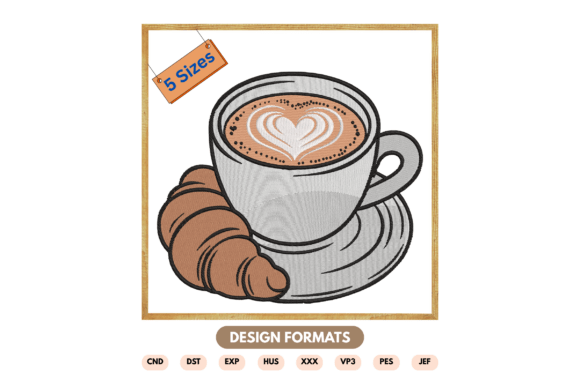
The immediate appeal of this coffee and croissant embroidery design lies in its warm, inviting atmosphere. It captures a specific "slow living" vibe that is currently trending in handmade markets. The composition features a steaming cup with heart-shaped latte art paired with a textured pastry, creating a balanced focal point. For designers, the visual hierarchy is crucial; the heart detail in the latte serves as a natural center of attention, while the croissant adds organic shape to prevent the design from looking too rigid or geometric.
From a digitizing perspective, the mood suggests a mix of stitch types. A successful rendition of this theme typically requires smooth satin stitch elements for the cup rim and latte art to create a glossy liquid effect, contrasted against fill stitch textures for the croissant to mimic flaky layers. If you are evaluating this design assets pack, look closely at the preview images to ensure the transition between these stitch types is clean. Jagged edges where fill meets satin can ruin the professional finish of a finished product, especially on high-visibility items like custom apparel.
Performance on Apparel and Accessories
I tested this embroidery file specifically for use on a canvas tote bag and a French terry sweatshirt, two staples in my current seasonal lineup. On the tote bag design application, the stability of the canvas provided an excellent foundation. The design stitched out flat without puckering, which is often a risk with dense coffee-themed motifs. However, when moving to sweatshirt embroidery, the variable stretch of the knit fabric required careful stabilizer selection. I recommend using a medium-weight cut-away stabilizer rather than tear-away to support the stitch density and prevent distortion during wear and washing.
For those considering this for an embroidered patch or cap, verify the hoop size limitations before purchasing. Caps present unique challenges due to their curved surface and limited stitching area. If the Coffee Croissant Embroidery Design includes wide horizontal elements or tiny lettering near the bottom edge, it may not register correctly on a curved cap frame without modification. Always run a test stitch on a scrap piece of similar curved material to confirm registration marks align properly.
Kitchen Textiles and Home Decor Applications
Beyond apparel, this design is a strong contender for kitchen towels, aprons, and pillow covers. These items often undergo frequent laundering, so durability is paramount. When stitching on textured fabrics like flour sack towels or linen, the detail level becomes critical. If the design relies heavily on running stitch outlines for definition, those lines may get lost in the fabric weave. In my testing, I found that increasing thread tension slightly helped the top thread sit atop the textured surface better, preserving the clarity of the latte art details.
For nursery decor or baby blankets, safety and comfort take precedence over intricate detail. Ensure the back of the embroidery is smooth and free of long jump stitches that could snag little fingers. If the digital embroidery file has excessive jumps, plan for additional trimming time or edit the file to add trims. A soft, washable rayon or polyester thread is essential here to maintain the cozy feel against sensitive skin.
Commercial Viability and Product Value
For Etsy sellers and small business owners, the question isn't just "does it stitch well?" but "will it sell?" The Coffee Croissant Embroidery Design taps into the evergreen coffee lover demographic while offering enough uniqueness to stand out from generic mug clipart. This specificity helps with SEO and buyer trust; customers searching for "cozy café aesthetic" or "bakery merch" are more likely to convert on a design that feels curated rather than mass-produced.
When creating printable mockup listings, this design photographs exceptionally well due to its recognizable silhouette. However, be mindful of color representation. The warm tones of coffee and pastry can shift depending on your monitor calibration and thread brand. I always advise comparing light and dark fabric mockups before listing. A design that pops on cream cotton might disappear on a navy sweatshirt unless you adjust the thread colors or add a contrasting outline. This extra step in product photography ensures customer expectations match the final handmade product, reducing returns and negative reviews.
Practical Technical Notes for Embroiderers
Before integrating this design into your commercial embroidery workflow, consider these practical checkpoints derived from my testing experience:
- Verify Licensing: Always check the specific license terms on the Creative Fabrica product page. Confirm whether the license covers physical products for sale, digital redistribution, or print-on-demand use. Never assume commercial rights are included without reading the fine print.
- Check Stitch Density: Open the embroidery file in your editing software to inspect density settings. Areas representing the coffee liquid should be dense enough to prevent fabric show-through but not so dense that they cause needle breaks or stiff results. If the density feels excessive for lightweight fabrics, reduce it by 10-15% in your software.
- Thread Color Contrast: The success of latte art details depends entirely on contrast. Test on scrap fabric using your intended thread palette. If stitching on dark brown fabric, you may need to use a lighter beige or white underlay to make the heart shape visible.
- Stabilizer Matching: Do not use a one-size-fits-all approach. Use tear-away for stable woven tote bags, cut-away for stretchy sweatshirts, and water-soluble topping for high-pile fabrics like fleece to keep the running stitch details from sinking.
- Small Details Inspection: After stitching, inspect the smallest elements, such as steam wisps or pastry texture lines. If they are thinner than 1mm, they may require a thicker thread weight (like 40wt instead of 60wt) or a slight scale-up to remain legible on the finished product.
Evaluating Worth for Your Business
Is the Coffee Croissant Embroidery Design worth adding to your library? For creators focusing on café culture, bakery branding, or cozy lifestyle goods, it offers significant value. Its versatility across apparel, home decor, and accessories makes it a high-ROI asset for shops that cater to this niche. However, success depends on your willingness to adapt the file to your specific materials. No digital embroidery file is truly plug-and-play across every substrate.
Ultimately, this design serves as a solid foundation for personalized gift items and boutique merchandise. By taking the time to test stabilizers, verify thread contrasts, and respect licensing terms, you can transform this digital asset into a profitable, high-quality handmade product line. As with any Creative Fabrica embroidery purchase, treat the preview as a starting point and your test stitch as the final authority on quality.